Drywall Patch or Larger Repair? What to Check Before Painting
A practical guide for Kitchener and Waterloo homeowners assessing dents, holes, cracks and damaged drywall before repainting.
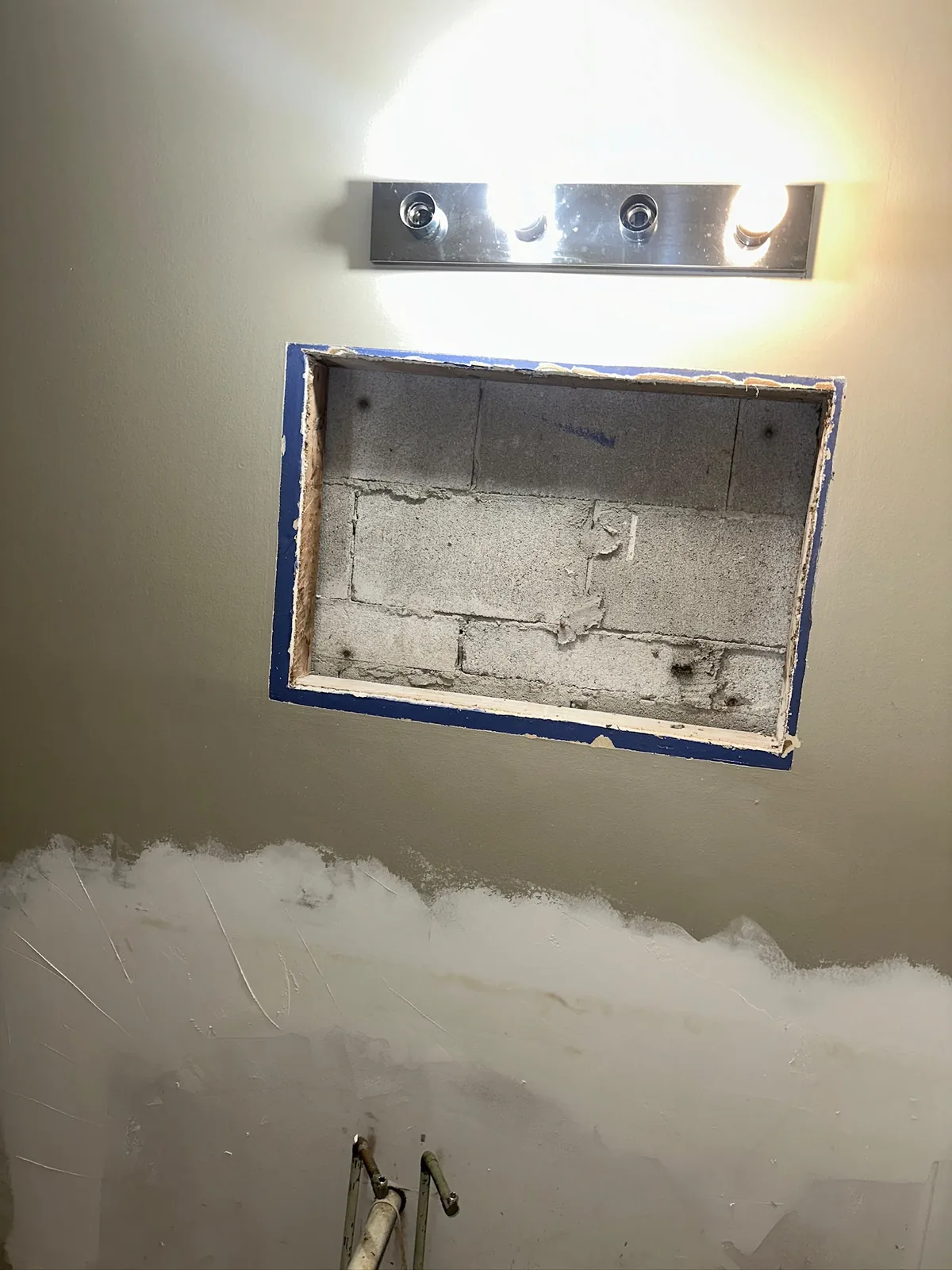
Start with what you can see
A small dent, a clean screw hole and a wide damaged section do not need the same repair. Look at the size of the affected area, whether the drywall feels firm, and whether the surrounding paper or compound is loose.
- Small, isolated holes may need a focused patch.
- Loose edges or broken board need sound material around the repair.
- Recurring cracks can point to movement that should be assessed before repainting.
Do not let paint hide the preparation
Paint changes colour and sheen; it does not flatten a poor patch. Compound needs time to dry, and the repair needs sanding and checking under good light before primer or paint is applied.
- Remove loose material.
- Build the repair in controlled layers.
- Sand without damaging the surrounding wall.
- Prime repaired areas where required before the finish coat.
When the repair area gets larger
If the board is soft, heavily broken or open around framing, replacing a section can be more practical than building up a small patch. A larger repair also needs attention to backing, joints and the transition into the existing surface.
- Ask what material will remain in place.
- Confirm whether painting is included or separate.
- Discuss access, dust protection and drying time before work begins.